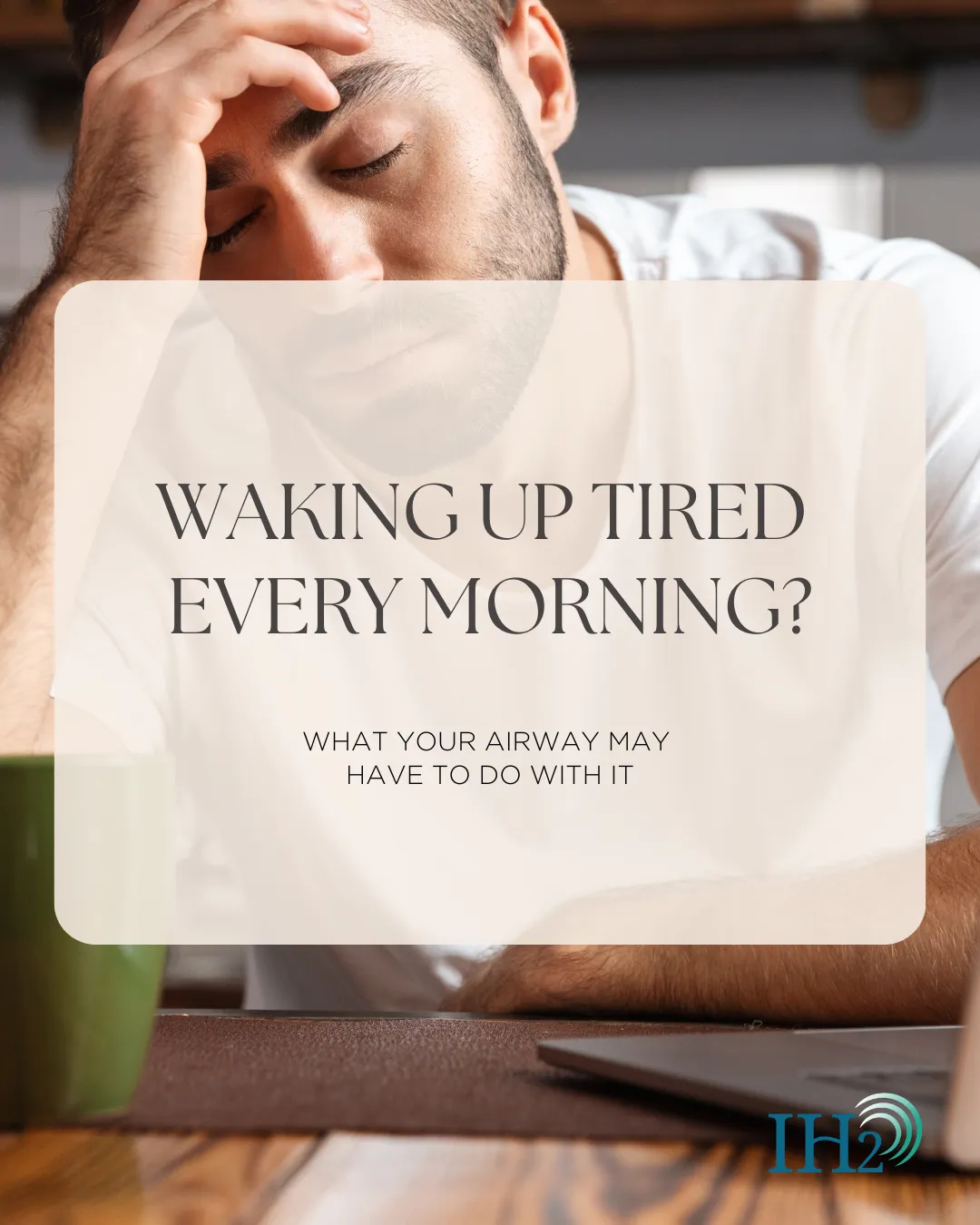
Waking Up Tired? Discover Why It's Not Normal
Health, Sleep, Wellbeing
Waking Up Tired Every Morning? Common, Yes. Normal, Absolutely Not.
If you’re constantly Waking Up Tired and brushing it off as “just life,” this friendly guide is for you. Feeling exhausted every morning might be common, but it’s far from normal—and it could be a sign of Sleep Disordered Breathing quietly affecting your health from the inside out.
Why Waking Up Tired Isn’t “Just How You Are”
Many people assume dragging themselves out of bed, needing multiple coffees, and feeling foggy until lunchtime is simply part of adulthood. But consistently Waking Up Tired is your body’s way of waving a little red flag. Quality sleep should leave you feeling refreshed, not like you ran a marathon in your dreams. When you wake up exhausted despite “sleeping” all night, something is interrupting the deep, restorative stages your brain and body desperately need.
Instead of blaming your job, your age, or a busy schedule, it’s worth asking a kinder question: What is my body trying to tell me? Very often, the answer lies not in how long you sleep, but how well you breathe while you sleep.
Sleep Disordered Breathing: One of The Most Overlooked Health Conditions
Sleep Disordered Breathing is a broad term that covers conditions where your breathing becomes shallow, restricted, or repeatedly stops while you sleep. The best-known form is obstructive sleep apnea, but there are milder patterns too—like frequent snoring or mouth breathing—that still disrupt your rest and oxygen levels. This Health Condition is incredibly common and just as incredibly overlooked, especially in otherwise “healthy” adults and even in children who simply seem restless or “overtired.”
Because you’re asleep when it happens, you may have no idea your airway is struggling all night. You just know you wake up drained, moody, and unfocused. That’s why Sleep Disordered Breathing is often called a “silent” Health Condition—it quietly chips away at your energy, hormones, heart health, and even your mental wellbeing, without obvious daytime clues you can easily connect back to your sleep.
Subtle Sleep Apnea Signs You Might Be Missing
You don’t need to fit a stereotype to have Sleep Disordered Breathing. In fact, many people with clear Sleep Apnea Signs look perfectly “fine” on the outside. Here are some gentle but important signals to pay attention to:
You wake up with headaches, dry mouth, or a sore throat most mornings.
Your spouse notices loud snoring, gasping, or long pauses in your breathing at night.
You often wake up multiple times to use the bathroom, toss and turn, or feel restless for no clear reason.
Daytime sleepiness, brain fog, irritability, or low mood follow you even after “enough” hours in bed.
You rely heavily on caffeine just to feel baseline functional each day.
💡 Gentle reminder: Noticing one or more Sleep Apnea Signs doesn’t mean you should panic, it means you deserve a closer look and proper support.
Treating the Root, Not Just the Symptoms
When you tackle Sleep Disordered Breathing, you’re not just chasing better nights, you’re addressing some of your biggest health concerns at the root. Instead of endlessly treating symptoms like fatigue, high blood pressure, weight gain, anxiety, or poor concentration, you’re going straight to a key underlying Health Condition: how your body breathes and oxygenates while you sleep.
The first step is simple: talk to a healthcare provider who takes your exhaustion seriously. This could be your primary care doctor, a sleep specialist, or even a dentist trained in airway-focused care. They may recommend a home sleep test or an in-lab study to see what’s really happening overnight. From there, treatment options can include gentle lifestyle shifts, positional therapy, oral appliances, or CPAP therapy, depending on what your body needs most and fits your lifestyle best.

Addressing nighttime breathing can turn restless, groggy mornings into calm, energized starts to your day.
Small Steps You Can Take Tonight
While professional evaluation is key, there are gentle changes you can make right away as an individual taking charge of your wellbeing:
Try sleeping on your side instead of your back to help keep your airway more open.
Keep your bedroom cool, dark, and quiet, and aim for a consistent sleep schedule.
Notice whether you breathe mostly through your mouth or nose; chronic mouth breathing is often linked to Sleep Disordered Breathing.
Ask someone you trust to gently observe your sleep for snoring, gasping, or pauses in breathing.
You Deserve to Wake Up Rested
Feeling tired all the time isn’t a personality trait or a life sentence. It’s a message. If you’ve been Waking Up Tired for months or years, it’s absolutely worth exploring whether Sleep Disordered Breathing or subtle Sleep Apnea Signs are playing a role. By looking beyond quick fixes and treating this Health Condition at the root, you give your body the chance to heal, recharge, and show you just how good truly restorative sleep can feel.
The bottom line? Waking up exhausted may be common, but it is not normal. You are allowed to ask questions, seek answers, and insist on sleep that leaves you feeling genuinely alive in the morning.
Experiencing one or more of these symptoms but still not sure if sleep disordered breathing is your problem? Take a few minutes to walk through the Sleep Assessment on our website to see if your airway may be at the root of your biggest health concerns. Take the assessment now.
